


Your download will be ready in 15 seconds.
Introduction
In today’s digital world, almost everyone uses cards for payments. But many people still get confused between credit cards and debit cards.
Both look similar, but they work very differently.
👉 Understanding the difference between credit card vs debit card in India is important for managing your finances smartly.
Choosing the right card can help you:
- Control your spending
- Earn rewards and cashback
- Build a credit score
- Avoid unnecessary charges
In this guide, you will learn:
- Key differences between credit and debit cards
- Benefits and disadvantages
- Which card is better for you
- When to use each card
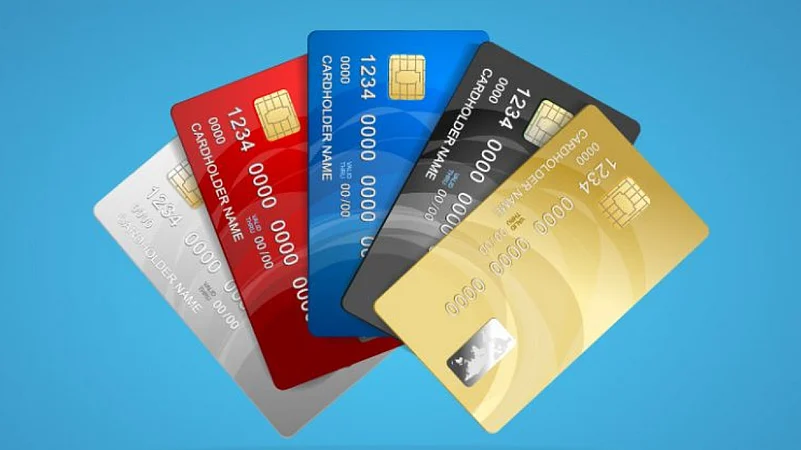
What Is a Credit Card?
A credit card allows you to borrow money from the bank to make purchases.
Key Features
- Spend now, pay later
- Monthly billing cycle
- Interest charged if not paid on time
Example
Buy product worth ₹5,000 → Pay later during billing cycle
What Is a Debit Card?
A debit card allows you to spend money directly from your bank account.
Key Features
- No borrowing
- Immediate deduction
- No interest charges
Example
Buy product worth ₹5,000 → Money deducted instantly
Credit Card vs Debit Card – Key Differences
| Feature | Credit Card | Debit Card |
|---|---|---|
| Money Source | Bank credit | Your bank balance |
| Payment Timing | Pay later | Pay instantly |
| Interest | Yes (if unpaid) | No |
| Rewards | Yes | Limited |
| Credit Score | Builds score | No impact |
| Risk | Higher | Lower |
Advantages of Credit Cards
Build Credit Score
Helps in loan approval.
Cashback & Rewards
Earn on every spend.
EMI Options
Convert purchases into installments.
Emergency Use
Access credit when needed.
Travel Benefits
Lounge access, insurance.
Disadvantages of Credit Cards
High Interest Rates
Up to 40% annually.
Risk of Debt
Overspending can cause problems.
Fees & Charges
Annual fee, late fee.
Advantages of Debit Cards
No Debt Risk
Spend only what you have.
No Interest
No borrowing cost.
Easy to Use
Simple and widely accepted.
Good for Budgeting
Helps control spending.
Disadvantages of Debit Cards
No Credit Score Benefit
Does not build credit history.
Limited Rewards
Fewer cashback options.
No EMI Options
Cannot convert into installments.
When to Use Credit Card
Online Shopping
Earn cashback and rewards.
Big Purchases
Use EMI options.
Travel Bookings
Get rewards and benefits.
Building Credit Score
Important for future loans.
When to Use Debit Card
Daily Expenses
Groceries, small payments.
Budget Control
Avoid overspending.
ATM Withdrawals
Cash access.
No Debt Preference
Safe option.
Which Is Better – Credit or Debit Card?
Choose Credit Card If:
- You want rewards and cashback
- You can pay bills on time
- You want to build credit score
Choose Debit Card If:
- You want simple money management
- You want to avoid debt
- You prefer spending your own money
Best Strategy
👉 Use both smartly
- Credit card → Rewards & benefits
- Debit card → Budget control
Common Mistakes to Avoid
Using Credit Card Without Control
Leads to debt.
Missing Payments
High penalties.
Ignoring Fees
Check all charges.
Not Using Credit Benefits
Miss rewards opportunities.
Tips for Smart Usage
Pay Full Credit Card Bill
Avoid interest.
Track Spending
Monitor expenses regularly.
Keep Credit Utilization Low
Below 30%.
Use Debit Card for Daily Spending
Maintain budget discipline.
FAQs (Snippet Optimized)
What is the main difference between credit and debit card?
Credit card uses borrowed money, debit card uses your own money.
Which is better credit or debit card?
Both are useful for different purposes.
Does debit card build credit score?
No, only credit cards affect credit score.
Is credit card safe?
Yes, if used responsibly.
Conclusion
Both credit cards and debit cards have their own advantages. The right choice depends on your financial habits and goals.
Credit cards offer rewards, flexibility, and credit-building benefits, while debit cards provide simplicity and spending control.
👉 The smartest approach is to use both wisely.
By understanding their differences and using them correctly, you can improve your financial management and make better spending decisions.